
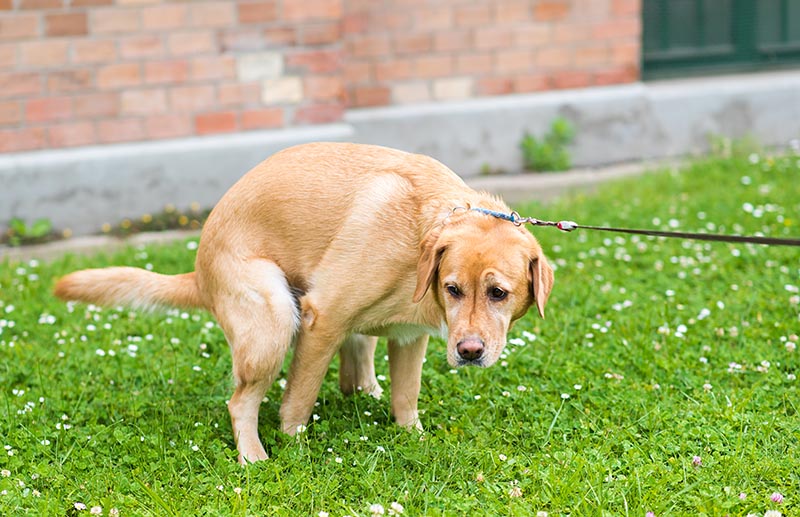
How Dog Waste Destroys Your Lawn and What You Can Do About It
You've probably noticed the brown patches. The dead spots that keep spreading no matter how much you water. The areas of your yard that just won't grow back no matter what you try. If you have dogs, there's a good chance pet waste is the culprit — and most homeowners don't realize the damage is happening until it's already significant.
Dog waste and healthy lawns do not mix. Understanding exactly how pet waste damages your grass is the first step toward protecting your lawn and keeping your outdoor space looking the way it should. At Top Dung, we service yards across Newark, TX every week and we see lawn damage from untreated pet waste constantly. Here's what every dog owner needs to know.
Why Dog Waste Kills Grass
The most important thing to understand is that dog waste is not fertilizer. This is one of the most persistent myths among pet owners and it causes real damage when homeowners leave waste on the lawn expecting it to break down beneficially.
Dog waste is high in nitrogen and phosphorus — but at concentrations that are toxic to grass rather than helpful. When pet waste sits on your lawn, it essentially burns the grass from the top down, killing the blades and then penetrating into the soil to damage the root system underneath. This is why dog waste damage looks so similar to fertilizer burn — because chemically, that's exactly what it is.
The result is the classic brown, dead patch that spreads outward from the deposit site. The longer the waste sits, the deeper the chemical damage goes, and the harder it becomes to reverse.
The Specific Ways Pet Waste Damages Your Lawn
Nitrogen Burn
Dog waste contains extremely high levels of nitrogen that overwhelm grass's ability to absorb nutrients normally. Instead of feeding the grass, this concentrated nitrogen burns through the blades and kills the plant at the root. You'll see this as yellowing that quickly turns brown and dead in a circular pattern around the deposit site.
Soil Acidification
Dog waste is highly acidic and repeated deposits in the same areas of your lawn shift the soil pH over time. Grass requires a relatively neutral soil pH to absorb nutrients and water effectively. When pet waste consistently acidifies the soil, it creates dead zones where grass simply cannot grow back without soil treatment and reseeding.
Root System Damage
The damage from dog waste doesn't stop at the surface. As waste breaks down and leaches into the soil, the bacteria, acids, and excess nitrogen penetrate down to the root system. Grass with a damaged root system cannot recover on its own — it requires removal of the dead material, soil amendment, and reseeding before anything will grow back.
Thatch Buildup
Repeated pet waste deposits in the same areas contribute to thatch buildup — a layer of dead organic material that accumulates between the grass blades and the soil. Heavy thatch prevents water, air, and nutrients from reaching the roots, further compounding the lawn damage caused by the waste itself.
Weed Invasion
Dead patches created by dog waste don't stay empty for long. Weeds are opportunistic and will colonize bare soil quickly. Once weeds establish in the dead areas left by pet waste damage, they spread aggressively into surrounding healthy grass — turning a localized problem into a lawn-wide issue.
How Long Does It Take for Dog Waste to Damage Grass?
The damage starts faster than most homeowners expect. In warm Texas weather, a single deposit of dog waste can begin visibly damaging grass within 24 to 48 hours. The brown patch may not be obvious for several days, but the chemical process that kills the root system begins almost immediately.
In hot summer conditions, the damage timeline accelerates significantly. Heat speeds up decomposition, increases bacterial activity, and intensifies the nitrogen burn effect on your lawn. This is why yards in Newark, TX that go without regular pet waste removal during summer months often develop extensive lawn damage that takes the entire fall season to recover from.
Can You Repair Lawn Damage From Dog Waste?
Yes — but it takes time, effort, and money that regular pet waste removal would have prevented entirely.
Repairing lawn damage from dog waste typically involves removing the dead material, flushing the affected soil with water to dilute the nitrogen and acid concentration, amending the soil pH if it has shifted significantly, reseeding or resodding the damaged areas, and keeping dogs away from those areas while the new grass establishes.
Depending on the extent of the damage, full lawn repair can take several months and cost hundreds of dollars for larger affected areas. Regular professional pet waste removal is a fraction of that cost and prevents the damage entirely.
How Top Dung Protects Your Lawn
At Top Dung, our professional pet waste removal service in Newark, TX is the most effective thing you can do to protect your lawn from dog waste damage. We remove all waste from your property on a consistent schedule — weekly or bi-weekly — before it has a chance to sit long enough to cause serious lawn damage.
For yards that have already experienced odor and surface contamination, our pet-safe sanitizing and deodorizing treatments neutralize the bacteria and residue left behind after visible waste is removed. This gives your lawn the best possible chance to recover and stay healthy between visits.
A consistently clean yard is a consistently healthy lawn. It really is that simple.