The Hidden Health Risks of Dog Waste in Your Yard
Most dog owners think of pet waste as nothing more than an unpleasant inconvenience. You see it, you mean to clean it up, life gets busy, and suddenly a week has gone by. It happens to everyone. But what most people don't realize is that dog waste left sitting in your yard is not just an eyesore — it is an active health hazard for your family, your pets, and even your neighbors.
If you have dogs and children sharing the same outdoor space in Newark, TX, understanding the real health risks of untreated dog waste is something every homeowner needs to take seriously. At Top Dung, we see the effects of neglected yards every single week, and we want to make sure you have the full picture.
Dog Waste Is Not Fertilizer — It's a Biohazard
One of the most common misconceptions among dog owners is that dog poop will simply break down and fertilize the grass the way farm animal manure does. This is completely false, and believing it puts your family at risk.
Unlike cow or horse manure, dog waste is not processed through a plant-based diet. Dogs are omnivores, and their waste contains extremely high levels of harmful bacteria, pathogens, and parasites that do not break down safely in a residential yard. The Environmental Protection Agency actually classifies dog waste as a pollutant — in the same category as toxic chemicals and oil spills — because of its ability to contaminate groundwater and local water supplies.
When dog waste sits in your yard and it rains, all of those bacteria and parasites are washed directly into the soil and any nearby drainage systems. This is not just a problem for your yard — it is a community health issue.
The Specific Health Risks of Untreated Dog Waste
Roundworms
Roundworms are one of the most common parasites found in dog waste, and they are particularly dangerous to young children. Roundworm eggs can survive in soil for years after the original waste has decomposed. Children who play in contaminated soil and then touch their mouths can ingest roundworm eggs without any visible sign of risk. Infection can cause serious complications including vision damage and organ involvement in severe cases.
E. Coli
Dog feces contains high concentrations of E. coli bacteria. E. coli contamination from pet waste can spread through direct contact with waste, contaminated soil, or even contaminated water that has run off from your yard. Symptoms of E. coli infection range from stomach cramps and diarrhea to severe illness requiring medical attention.
Salmonella
Salmonella is another bacterial risk commonly found in dog waste. It can be transmitted to humans through contact with contaminated soil or surfaces and can cause fever, vomiting, and diarrhea. Children, elderly individuals, and anyone with a compromised immune system are especially vulnerable.
Giardia
Giardia is a microscopic parasite found in the feces of infected dogs. It spreads through contact with contaminated water or surfaces and can infect both humans and other pets. Giardia causes significant digestive illness and can be difficult to treat once contracted.
Campylobacter
Campylobacter is a bacterial infection transmitted through contact with dog feces and is one of the most common causes of diarrheal illness in the United States. It spreads easily in households where pets and children share outdoor spaces without regular pet waste removal.
Parvovirus
While parvovirus primarily affects unvaccinated dogs, it can survive in contaminated soil for months to years. A yard that is not regularly cleaned of dog waste can become a reservoir for parvovirus, putting visiting or neighboring dogs at serious risk even long after the original source is gone.
How Dog Waste Affects Your Other Pets
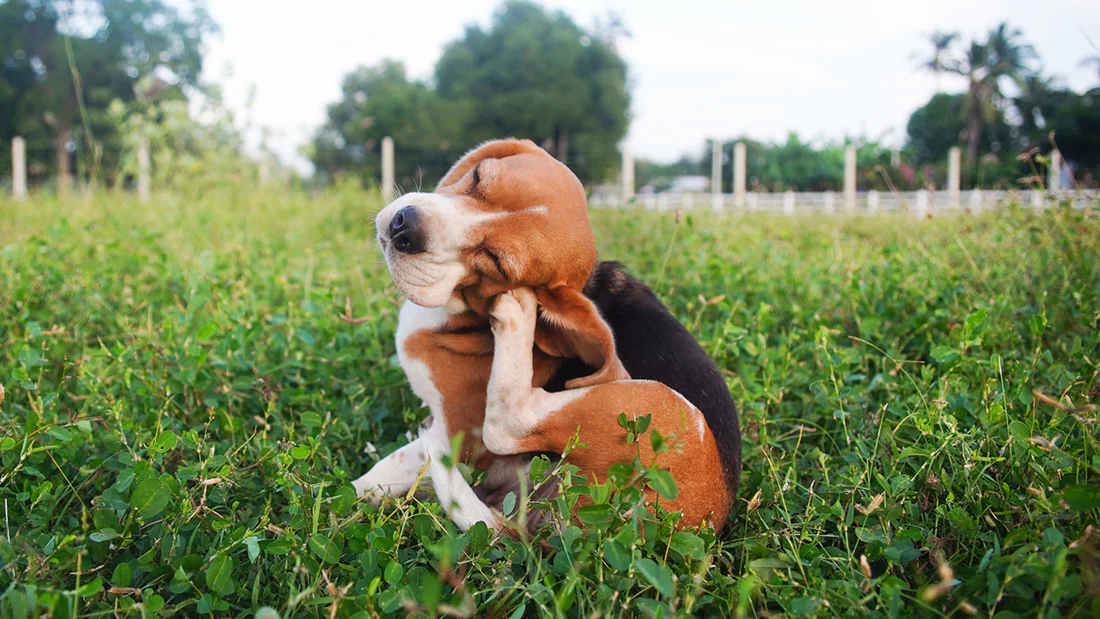
It's not just your human family members at risk. Your other pets are exposed to every pathogen sitting in that yard every single time they go outside. Dogs that sniff, lick, or come into contact with infected waste can contract parasites and bacterial infections that require expensive veterinary treatment.
Regular pet waste removal is one of the simplest and most effective ways to reduce your pets' exposure to parasites and bacteria in their own environment. A clean yard is a healthier environment for everyone living in your home.
What About the Smell? That's a Health Signal Too
If your yard has a noticeable odor from dog waste, that smell is ammonia and hydrogen sulfide being released as waste decomposes. Prolonged exposure to high concentrations of these gases can cause respiratory irritation, headaches, and eye irritation — especially in young children who spend extended time playing close to ground level.
The smell is not just unpleasant. It is your yard telling you that bacterial decomposition is actively happening and that regular pet waste removal is overdue.
How Top Dung Protects Your Family and Pets
At Top Dung, our professional pet waste removal service in Newark, TX is designed to eliminate these health risks before they become a problem. Our technicians walk a thorough grid through your yard on every visit, removing all waste from your property entirely — not bagging it and leaving it in your trash, but taking it away completely.
For homeowners who want an extra layer of protection, we offer pet-safe sanitizing and deodorizing treatments that target the bacteria and odor left behind even after visible waste has been removed. Our sanitizing treatments are formulated to be safe for pets and turf while actively eliminating the pathogens that create health risks for your family.
Whether you need weekly, bi-weekly, or a one-time deep clean, Top Dung keeps Newark, TX yards safe, clean, and genuinely healthy for the people and pets who use them every day.
Don't Wait Until There's a Problem
The health risks of dog waste are real, they are documented, and they are entirely preventable with regular professional pet waste removal. You don't need to wait until someone gets sick or your lawn is destroyed to take action.
A clean yard is not a luxury — it is a basic standard of health and safety for any home with dogs. At Top Dung, we make it easy, affordable, and completely hands-off for Newark, TX homeowners.